What You Need to Know About Hernia Surgery in the UK
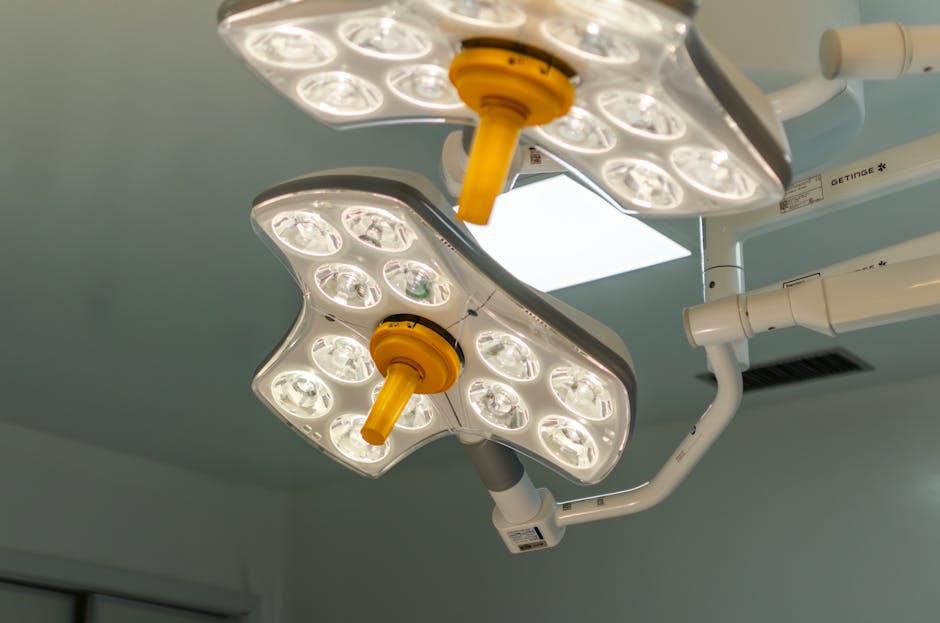
A hernia occurs when an internal organ or fatty tissue pushes through a weakness in the surrounding muscle or connective tissue. Whilst some hernias cause no symptoms, others can be painful or lead to complications. If your GP or specialist recommends surgery, understanding the process can help ease concerns.
Types of hernia surgery
The approach your surgeon takes depends on the type and size of your hernia, plus your overall health. Open surgery involves a single larger incision, allowing the surgeon to directly access and repair the hernia. Laparoscopic (keyhole) surgery uses several small incisions and a camera, resulting in less tissue damage and faster recovery. Your surgeon will discuss which method suits you best.
Before your operation
You'll have pre-operative assessments, including blood tests and possibly imaging scans. Your surgical team will explain the procedure, discuss anaesthesia options, and review any medications you take. It's essential to follow fasting instructions carefully – typically you'll need to avoid food and drink for several hours before surgery.
The procedure itself
Hernia repairs usually take 30 minutes to two hours, depending on complexity. You'll be under general or local anaesthesia, so you won't feel pain during the operation. The surgeon will close the gap in the muscle, often using a mesh to reinforce the repair and reduce recurrence risk. Modern mesh materials are safe and widely used in UK surgical practice.
Recovery expectations
Most patients go home the same day or after an overnight stay. You'll experience some discomfort, swelling, and bruising – this is normal. Pain relief will be provided, and you can gradually increase activity as advised. Light activities can often resume within 1-2 weeks, but heavy lifting and strenuous exercise should be avoided for 4-6 weeks.
Complications and when to seek help
Serious complications are rare, but contact your surgical team immediately if you experience severe pain, signs of infection (fever, redness, discharge), or difficulty urinating. Most patients recover smoothly and can return to normal life within 6-8 weeks.
If you've been advised to have hernia surgery, ask your surgeon any questions you have. Understanding what to expect helps you prepare mentally and physically for a successful outcome.